↓
 

Roanoke Land Surveying

Land Surveying in Roanoke, Alabama

Roanoke Land Surveying Header Image
Roanoke Land Surveying
  • Home
  • About Us
  • ALTA Title Survey
  • Boundary Surveying
  • Civil Engineering
    • Flood Determination
  • Construction Survey
  • Drone LiDAR Mapping
  • Elevation Certificate
  • Land Surveying
  • Services
  • Topographic Survey | Topo Survey
  • Blog
  • Contact
Home 1 2 3 … 6 7 >>

Post navigation

← Older posts

Roanoke Land Surveying

Roanoke Land Surveying Posted on September 10, 2010 by SurveyorOctober 20, 2012

Welcome to Roanoke Land Surveying

roanoke land surveying

Welcome to our site. We want to provide you with information on Land Surveying in general and specifically in the Roanoke, Randolph County area of Alabama.If you have any land surveying questions, you’ve come to the right place.

Land Surveying is a very important industry, and it has been around for ages. To know more about the basics of land surveying, you can click here.

Land Surveyors are professionals who measure and make precise measurements to determine the size and boundaries of a piece of real estate.  While this is a simplistic definition, this is one of the most common types of surveying related to home and land owners. To know more about what a land surveyor does, click here.

What to expect from Roanoke Land Surveying

If you need assistance on any land surveying services, we are the best people to help you out. We give nothing but the best service, and we have the best deals in town.

Roanoke Land Surveying offers different land surveying services. We also offer Boundary surveying, Percolation surveying, Septic System Design, Subdivision Design, Topo Surveying and House Site Plans.

How to contact Roanoke Land Surveying?

CALL Roanoke Land Surveying TODAY at 256-854-9503 to discuss your land survey needs.

Posted in land surveying, land surveyor | Tagged boundary surveying, land surveying, land surveyors, lot survey, Roanoke Land Surveying

Property Survey for Homes With Private Road Access

Roanoke Land Surveying Posted on September 7, 2026 by SurveyorSeptember 2, 2026

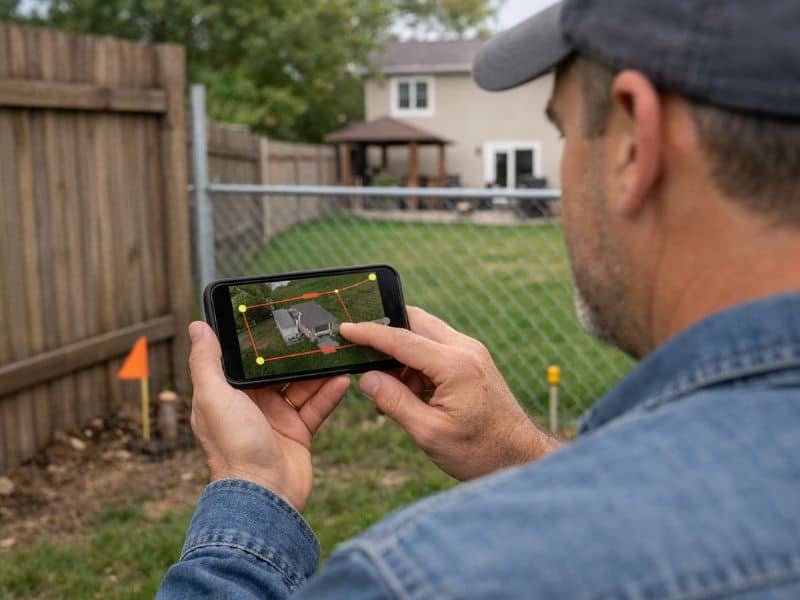
Private road entrance for homes with private road access during a property survey in Roanoke, Alabama

If your home sits on a private road, a property survey can show you something a lot of buyers miss: how that road actually connects to your land. This matters because private roads don’t always match what’s written on old paperwork. A property survey pins down the real, physical spot where the road reaches your lot, not just what a map from decades ago claims.

This is different from a basic boundary survey. You’re not just checking where your yard ends. You’re checking how you get to it.

How a Property Survey Shows Where Private Road Access Meets the Lot

A surveyor walks the actual road. They record where it touches your property line, not where an old deed says it should. Sometimes those two points match. Sometimes they don’t, off by a few feet or more.

The survey plots this connection point on a map. It shows the angle the road takes as it meets your lot, and how much of your property line runs along the road versus away from it. This gives you a clear picture of how your home is physically reached, separate from any legal description sitting in a file somewhere.

For homes tucked behind other properties, this detail carries real weight. You want to know, in exact terms, where your access begins and ends.

Identifying Whether the Access Route Crosses More Than One Parcel

Private roads rarely start at your property. Most cross at least one neighbor’s land before reaching yours. A property survey can trace that whole path, marking which parcels the road crosses along the way.

This isn’t about proving who owns what. It’s about showing the road’s actual route, parcel by parcel, so anyone looking at the survey understands how the property connects to the outside world. A buyer might assume their access sits entirely on land they’re purchasing. A survey can correct that assumption fast.

Lenders and title companies often want this picture too. If three parcels sit between your home and the public road, that’s useful information before anyone signs anything.

Comparing the Private Road on the Ground With Recorded Access Documents

Old deeds and plats describe where a road is supposed to run. Actual roads shift over decades. Trees fall, ruts form, and drivers take a slightly different path each year, so the “road” on the ground can end up looking nothing like the one on paper.

A property survey checks both. The surveyor measures where the road physically sits today and compares that to the path described in recorded documents. If the two line up, that’s good news. If they don’t, you now know there’s a gap between what’s legally described and what’s actually being used.

This comparison doesn’t settle who has rights to what. It simply shows the difference in measurements, so everyone involved can see it clearly.

Documenting Road Width, Turns, and the Entrance Near the Home

A survey can go beyond just marking a line where the road exists. It can record the traveled width of the road, any curves or sharp turns, gates along the way, and exactly where the road meets your driveway or homesite.

Why does width matter? Fire trucks and delivery vehicles need enough room to get through. A survey that captures the actual width, not an estimate, gives you real numbers to work with. Turns and intersections near the home matter too, especially if you’re planning construction, fencing, or landscaping close to the access route.

This kind of detail turns a survey into a working reference, not just a legal formality.

Why Private Road Access Deserves Extra Attention Before a Property Changes Hands

Buying a home with private road access is different from buying one on a public street. There’s no city crew keeping the road up for you. Access depends on old agreements, physical conditions, and sometimes a handshake between neighbors that’s never been written down.

Before a sale closes, a clear survey showing exactly how the home connects to its access route gives buyers, sellers, lenders and title professionals something solid to look at. It replaces guesswork with measurements. Sellers avoid disputes down the road. Buyers know what they’re actually getting.

Frequently Asked Questions

Can a property survey show where a private road crosses my land? 

Yes. A surveyor can trace the road’s path across your parcel and mark exactly where it enters and exits your property line.

What if the private road on the ground does not match the recorded access route? 

The survey will show the difference between the two. That gap is worth knowing about, especially before buying or selling a home.

Can a survey show how wide a private access road is? 

Yes. Surveyors can measure and record the traveled width, along with turns and other physical details near the road.

Should private road access be surveyed before buying a home? 

It’s a smart step. It gives buyers a clear, measured picture of how the home connects to its access route instead of relying on old paperwork alone.

Does a property survey determine who is responsible for maintaining a private road? 

No. A survey documents the physical location and condition of the road. Maintenance responsibility is usually spelled out in separate legal agreements.

Posted in boundary survey

What Does an ALTA Title Survey Cover in a Commercial Property Transaction?

Roanoke Land Surveying Posted on August 17, 2026 by SurveyorAugust 16, 2026

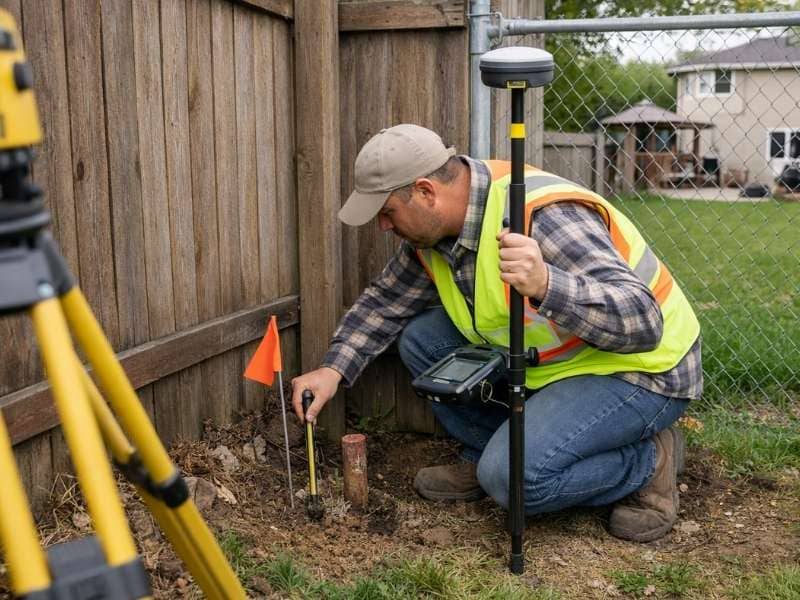
ALTA Title Survey fieldwork at a commercial property in Roanoke AlabamaAn ALTA title survey links two things that usually stay apart. It ties the paperwork describing a property to the physical land. In a Roanoke, Alabama commercial deal, buyers, lenders, and attorneys all rely on that link being right. A mismatch between title papers and real site conditions can cause problems well after closing. So the survey does quiet but important work.

The ALTA survey follows a national standard set by two survey groups and updated over time. It spells out what the survey must show and how. Because every ALTA survey follows the same rules, lenders across the country trust the result. That shared standard is a big part of why these surveys matter in commercial deals.

The Title Commitment Sets the Documentary Scope

Before fieldwork begins, the title commitment lays out the key papers. It lists the documents, exceptions, and legal description the survey needs. This paperwork sets the edges of the surveyor’s job and defines what must show on the finished drawing.

Teamwork between the surveyor and the title company matters more than people expect. If the title commitment changes partway through, the survey often needs an update to keep the two in step. Staying matched avoids confusion later, when there is little time to fix a gap.

The legal description deserves special care. It is the written version of where the property sits. The surveyor checks that this description matches the land on the ground. If the two do not agree, that gap gets flagged early. Catching it now is far better than finding it during closing.

Which Recorded Exceptions Need to Be Matched to the Property?

Title commitments usually list a set of recorded exceptions. These are things like easements or old agreements that affect the property. Part of the ALTA process is reviewing these exceptions. The surveyor shows the ones that can be surveyed right on the drawing.

Not every exception can be drawn. Part of the surveyor’s job is sorting them. Some apply physically to the site. Others are purely legal. This split keeps the final survey accurate and keeps the surveyor out of legal interpretation, which is not their role.

A drawn exception tells buyers a lot. Say an easement crosses the property. Seeing it on the survey shows exactly where it runs. That helps the buyer picture how it affects future plans. A list on paper alone never makes that as clear as a drawing does.

Certification Connects the Survey to the Right Parties

An ALTA survey is only useful to the parties named in its certification. Buyers, lenders, and sometimes attorneys are listed by name. That list needs to match exactly who relies on the document during the deal.

Get this list right the first time, and you avoid delays. A missing or wrong name can hold up closing, even when the survey work itself is complete and accurate. It is a small detail with real weight. A quick check upfront saves a scramble at the end.

The parties often change as a deal moves along. A new lender may join. An entity name may shift. Each change may call for an updated certification. Keeping the surveyor in the loop on these changes keeps the document current.

How Are Optional ALTA Table A Items Selected?

ALTA surveys include a standard list of optional items, called Table A. Not every deal needs the same set. The right choice depends on the lender, the buyer’s due diligence, and the property itself.

These optional items cover a wide range. Some deal with zoning details. Some deal with utilities. Some deal with the size of buildings on the site. Picking the right ones means matching the list to the real deal, best done early with input from everyone involved.

Order every item, and you usually add cost and time you do not need. 

A better approach looks like this:

  • Review the lender’s specific survey needs first
  • Confirm which items the buyer’s attorney has asked for
  • Consider property facts, like zoning or utility complexity
  • Set the scope with all parties before fieldwork begins

This upfront scoping keeps the deal moving. Nobody pays for information they will not use, and the survey covers what the deal truly needs.

Coordinating Deliverables Before the Deadline

Commercial deals run on deadlines. The ALTA survey has to land on time alongside title work, inspections, and financing steps. Line up document readiness, scope, and revision timing early, so the survey does not hold everything up.

Clear talk among the surveyor, title company, and attorneys helps throughout. It keeps a tight due diligence window from turning into a scramble. Everyone knowing their part early makes the whole timeline work.

A good rule is to order the survey as soon as the deal is under contract. That gives the surveyor room to do careful work and leaves time to handle any surprises the survey turns up. Rushing at the end is where mistakes creep in. Starting early is the simplest way to protect the closing date.

Frequently Asked Questions

Who usually pays for an ALTA survey in a commercial deal? 

This is often negotiated between the buyer and seller as part of the purchase agreement. In many deals the buyer pays, since the survey mainly protects the buyer’s and lender’s interests, but local custom can vary.

Can an ALTA survey be reused for a future sale of the same property? 

Sometimes, if very little has changed on the site and the survey is still recent. Lenders and title companies usually want an updated certification, and any physical changes since the last survey may require new fieldwork.

What is the biggest reason ALTA surveys get delayed? 

Missing or incomplete title documents are the most common cause. When the title commitment is not finalized before fieldwork, the surveyor may need to revisit the site or redraw sections once the full picture is available.

Posted in ALTA Title Survey | Tagged ALTA Title Survey

Dividing Inherited Family Land When the Original Corners Are No Longer Visible

Roanoke Land Surveying Posted on July 16, 2026 by SurveyorJuly 16, 2026

Surveyor checking an overgrown boundary corner beside an old fence and farm lane on inherited family property.Splitting inherited ground among relatives sounds simple until you go looking for the corners, and that is where land surveying earns its place. On a tract that has stayed in one family for generations, the original markers are often gone. Iron pins rust away, wooden stakes rot and stone piles get scattered by decades of farming or brush. Before anyone can carve the parcel into fair shares, a surveyor has to rebuild those lost corners from the record and whatever evidence still survives on the ground.

The task carries weight beyond geometry. Family land holds memory and money at once, so the division has to be both accurate and workable. Rushing it plants seeds for arguments that can outlast the people dividing the land.

Gathering Every Deed Connected to the Inherited Tract

The paper trail comes first, and on old family land it can run deep. Probate files, prior deeds, recorded plats and quiet handoffs between relatives all help rebuild the full history of who owned what. Each document adds a piece, and missing pieces leave holes a surveyor cannot safely fill.

Reading these records together, rather than one at a time, is what makes the picture whole. A measurement in a grandparent deed might explain a strange call in a newer one. A forgotten sale of five acres might account for a gap nobody could otherwise explain. Careful collection up front keeps the later division from resting on a shaky foundation.

Searching Beyond the Corners Shown on the Current Description

The current deed marks the edges of the family piece, and the proof of those edges often sits outside them. Corners are shared with neighbors, so evidence on the adjoining land can confirm or correct a line just as well as evidence on the home tract.

A surveyor also reaches back into the original parent parcel the family land was cut from. A monument set long ago for that larger piece may still control a corner today. Looking only inside the current lines would miss it. Widening the search is often the difference between a guess and a corner a court would respect.

Accounting for Homes, Farm Roads, Wells, and Utility Routes

People built on this land while it was whole, and those improvements shape any fair split. A house, a barn, a well or a farm road did not care about future property lines when it went in, and now each one sits somewhere that a new boundary must respect.

A thoughtful division works around what already exists. Nobody wants a line that puts the well on one share and the house it serves on another. The surveyor maps these features so the parcels can be drawn to keep homes, water sources and access sensibly together. Ignoring them creates shares that look even on paper and fail in daily life.

Designing Parcels That Can Function Independently

A share only helps an heir if it can stand on its own. Each proposed parcel needs a way in from a road, enough usable ground to be worth having and a shape that someone can actually build on or farm. A pretty rectangle means little if it has no legal access or sits mostly in a swamp.

So every tract gets checked for the things that make land livable. Road frontage, room for a septic field, a route for power and water and a workable outline all get weighed before lines are final. A division that gives each heir a parcel that truly works is worth far more than one that simply splits the acres into equal numbers.

Preparing a Division That Can Be Approved and Recorded

The last step turns a plan into something official. Local review offices have rules about lot size, access and how a split gets documented, and a division has to meet them before it can be recorded. A surveyor prepares the parcel descriptions and plats in the form those offices expect.

Getting this right clears the way for everything that follows. Clean, recordable documents let each heir sell, build or borrow against their share without dragging the others back into the paperwork. The effort spent on a proper plat now spares the family a tangle of legal knots later. Clean records also make the next sale or transfer far easier for whoever inherits the share after that.

Frequently Asked Questions

Can inherited land be divided when no original corner markers remain?

Yes. A surveyor rebuilds the lost corners using deeds, older plats, neighboring evidence and any monuments that still survive. Missing pins do not stop a division. They just mean the boundary has to be reconstructed from the record and the ground before the split is drawn.

Must every heir agree before the surveyor prepares a division plan?

Usually the owners need to agree on how the land will be split, since they hold it together. A surveyor can measure and map the tract without that agreement, and the actual division of ownership normally requires consent from the heirs or a court order.

How can a landlocked family parcel receive legal access?

Access often comes through an easement, a recorded right to cross another parcel to reach a public road. When a tract is split, the plan can reserve a driveway corridor so no share ends up trapped. A surveyor helps place and describe that route.

Posted in land surveying | Tagged land surveying

Post navigation

← Older posts

    © Boxer Survey USA
    Roanoke Land Surveying
    Roanoke, AL.
    Phone: (256) 854-9503

    Web Development and SEO by:
    AuburnBusiness.com, LLC


    Privacy Policy | Terms of Use

    The owner of this website, Boxer Survey USA, provides coordination of professional land surveying and engineering services in all 50 states. The professional surveying and engineering services provided to you will be conducted by fully licensed professionals in your state.

    Privacy Policy
    ↑